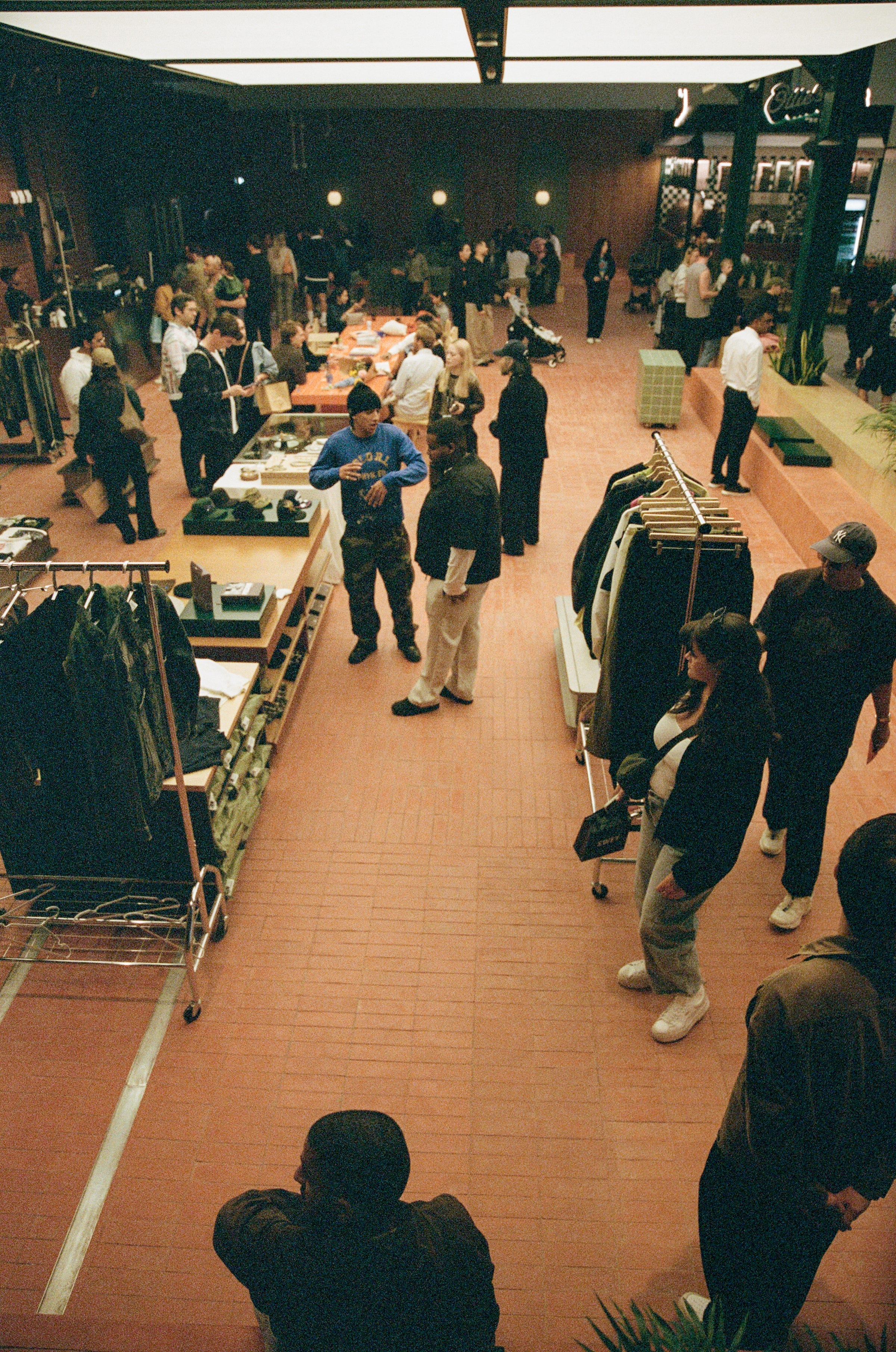
Word to Wathek
A Conversation with Algerian designer and skater Wathek Allal

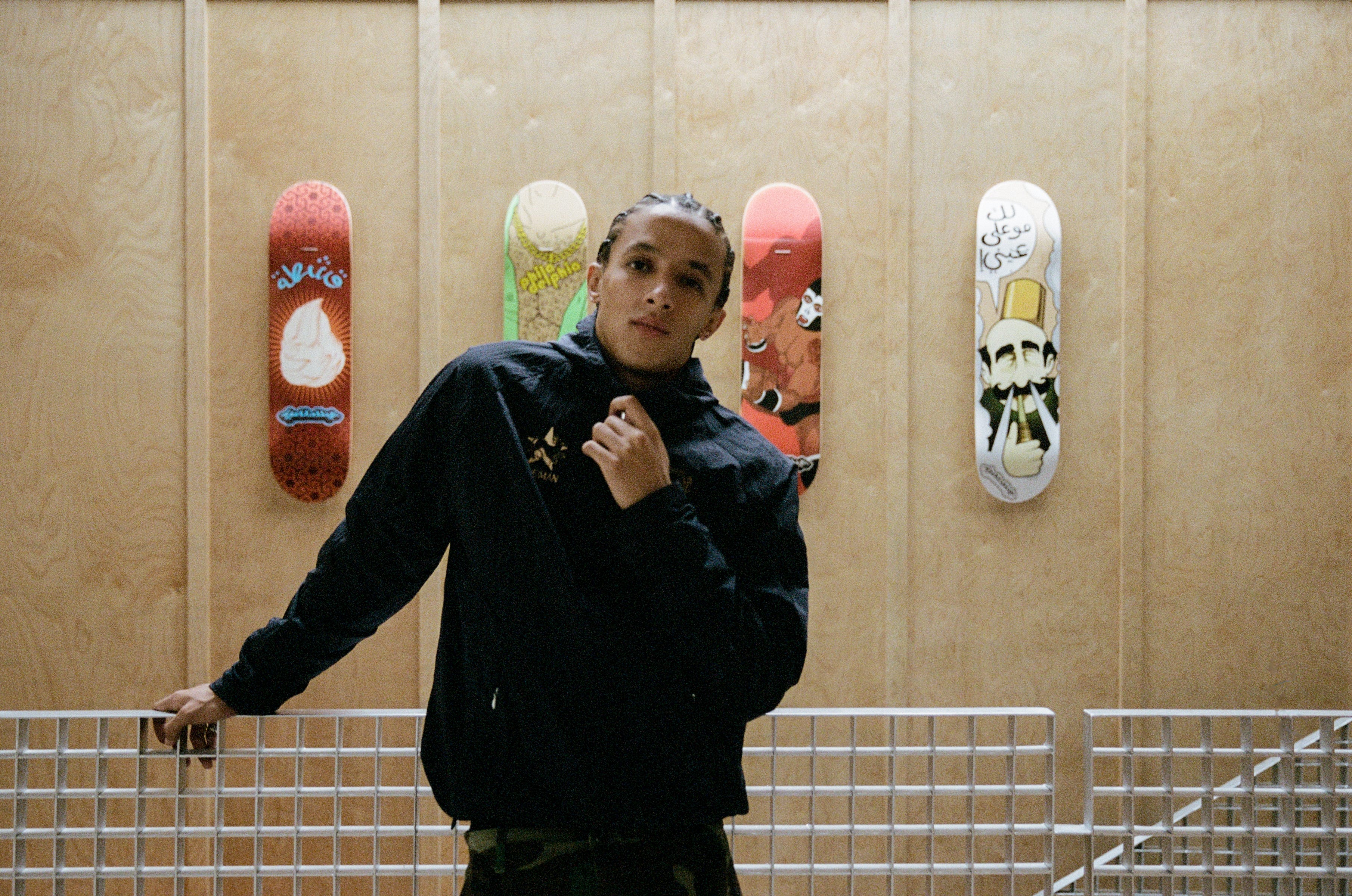
There is a specific feeling that comes with seeing an emerging brand for the first time and knowing that it’s going to be one of them ones. That’s how I felt when I first came across Precious Trust. From the meticulously crafted denim to the unique graphics, cuts, and hand-dyed pieces, each release leaves you excited for the unexpected.
At the center of Precious Trust is Wathek Allal. Wathek is the energy behind the brand, and he’s as genuine as they come. Wathek has transformed what is a very specific, personal vision that lives in his head into a brand that feels less like a label and more like a living, breathing journal. We were grateful for the opportunity to link up with him while in the Middle East on a recent trip.
Garms Race: Let’s start with an intro for the readers in your own words, who is Wathek?
Wathek: My actual name is Wathek Biallah, which means “trust in God.” I’m Algerian but born and raised in Damascus. I grew up there until I was 16, and now I live in Dubai.
Garms Race: How did your upbringing in Syria and your Algerian identity shape your early creative energy?
Wathek: I think Syria was a great place to spend my childhood. It’s very easygoing, most of it was spent hanging outside in Damascus. When I was outside, it was Syrian, but when I was home, it was all Algerian, so I got the best of both. I was a very curious child, always just trying things with friends. I started off doing graffiti around the camp, playing basketball, skating, breakdancing.
Garms Race: I read in another interview about one of your first hustles graffitiing in middle school in Syria. Can you tell us about that story? I might need a graffitied hijab for my mom.
Wathek: Hahaha, yeah. My sister’s friends found out about my graffiti, so they used to give my sister their scarves/hijabs, and I would graffiti words they liked or graffiti their names on them and give them back, and they would pay my sister. Looking back, it was a fun hustle. Then it evolved to other them giving me other items to graffiti; like, someone gave me ping pong rackets, plates, or just paper.
Garms Race: Tell us about moving from Syria to Dubai. What was that transition like for you? How did you go about finding your creative outlets when you arrived in Dubai?
Wathek: It was a big, sudden change. I moved here with family mid-war with the intention of going back to Damascus when things calmed down again. But the situation did not end up calming down, so we stayed. It was hard to make friends when I got here because I feel like kids here were more advanced technology-wise than we were growing up in Syria. And I didn’t speak any English. So I picked up skateboarding again because it was a way to make friends without having to talk.
Garms Race: Tell us the Precious Trust origin story. From the early days of making your first pieces to the moment you decided you were turning it into a brand?
Wathek: I started making a few pieces for myself and friends through a tailor here, and I had so much fun when I would see my friends wearing the items. It was a great feeling. Soon, my friends started asking me to make them more stuff, and a little bit later, I decided to put a name to it and dropped out of aviation school to focus on it. I also started working and teaching kids how to skate to make some money so I could make more clothes. Through building the brand, I realized I love directing, storytelling, and filmmaking, so I started merging that into the brand as well.
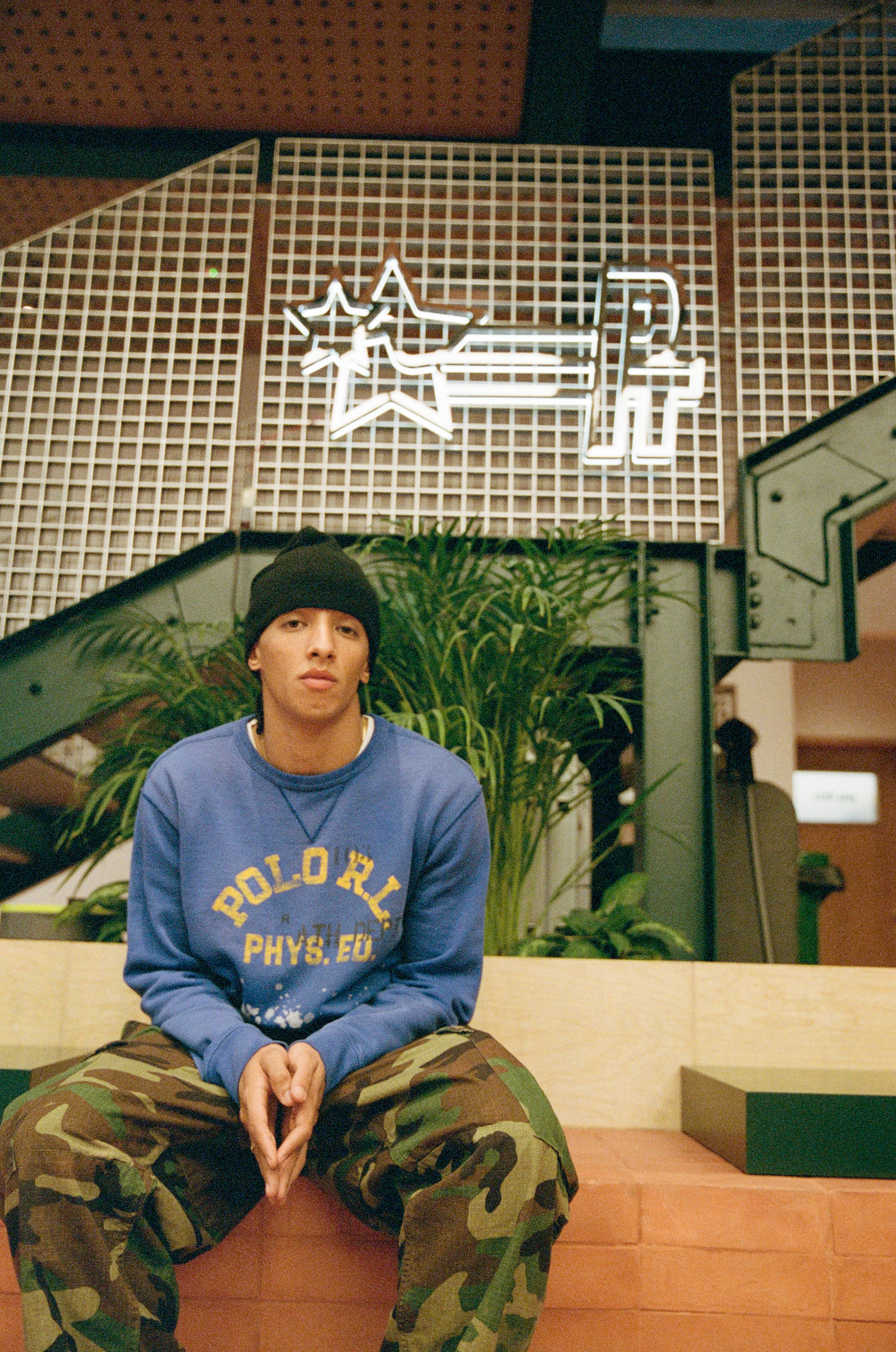
Garms Race: You’ve alluded in prior interviews to the brand being a sort of “personal journal.” How do you go about translating complex personal memories into wearable streetwear?
Wathek: I think I focus on what it means to me. If I understand the reference and one day when I look back at a piece it reminds me of that story or memory, then that’s all I want. It can be the writings, the colors, the details, what’s written behind the tags, the photography, and the videography, everything is intentional. If people find meaning in it, great. If not, that’s great as well. It still means something to me. Sometimes it’s good to admit that you got a piece simply because you thought it looked nice. It doesn’t always have to be deep.
Garms Race: When you’re designing a new collection, are you looking outwards at current trends, or are you digging inwards? Where does the idea usually come from?
Wathek: My process is pretty messy. It’s not always the same structure. I get most of my ideas when I’m driving and listening to music. Then I just take notes. Sometimes it starts from just one sentence I think is nice and has the potential of building something around it. That sentence can then turn into a video or a few pieces. I think through time these things will be more visible through PT. So far it’s been a lot of trying new stuff, but I’m refining it as I go and figuring it out. And about trends, yeah, I think I’d have to be alert to what people like while also providing what I like.
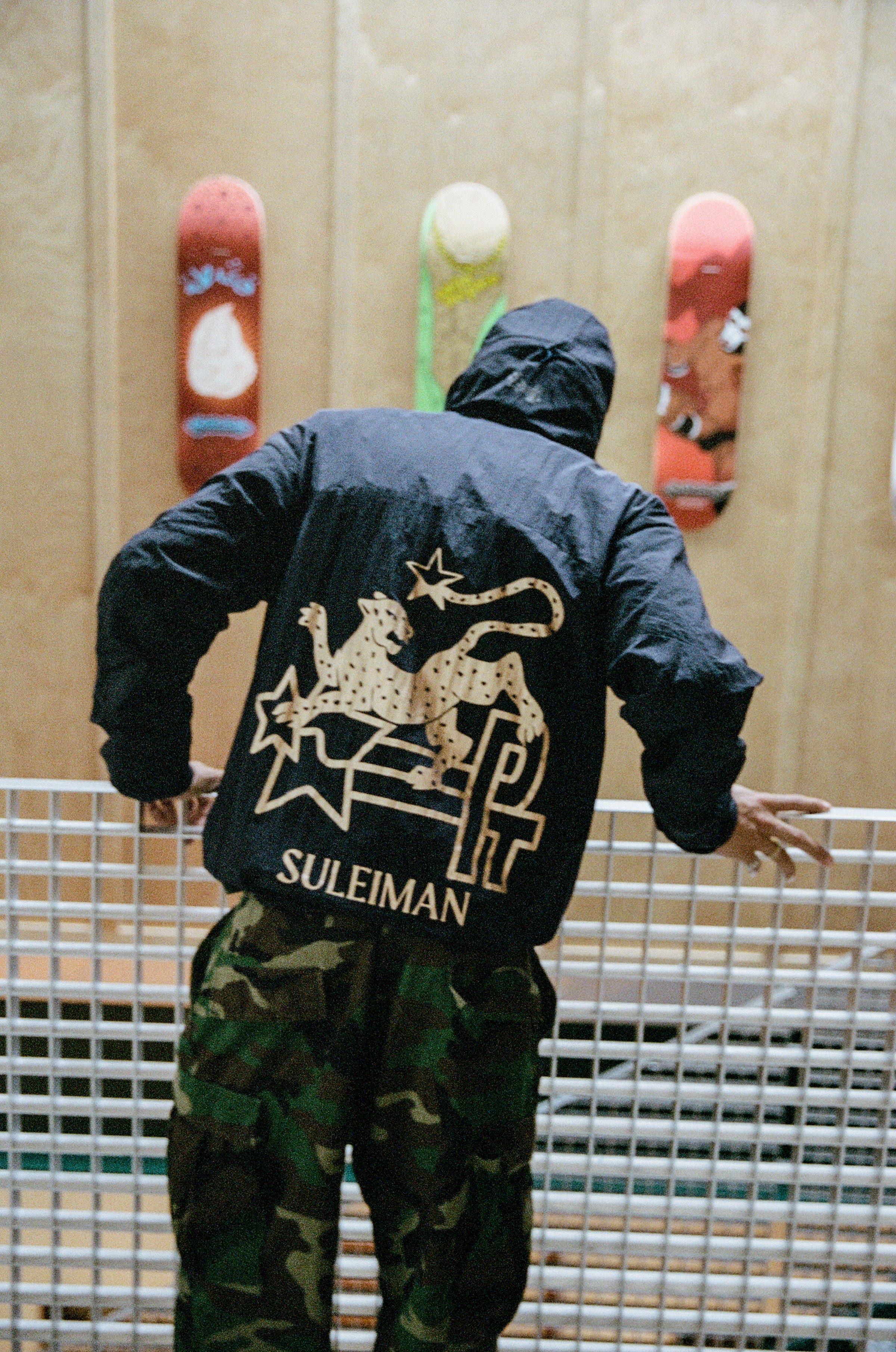
Garms Race: You’ve built a global family around Precious Trust, from London to South Africa. How has connecting with those international scenes influenced the direction of the brand?
Wathek: I think I’m realizing that traveling is a key thing for Precious Trust. I love the concept of introducing what you do to new people and meeting them in person, you get to work with new people and experience their culture while showing them where you come from.
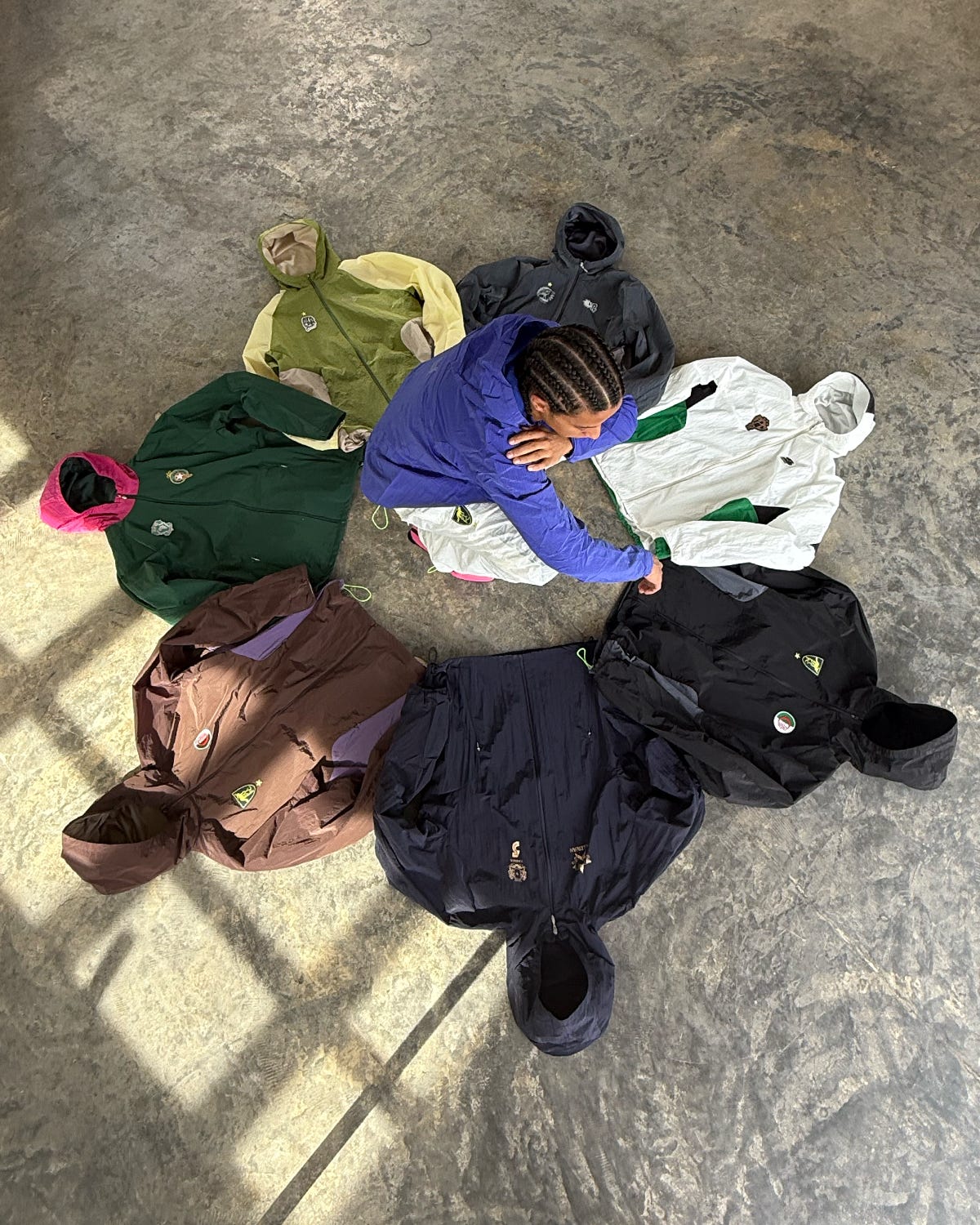
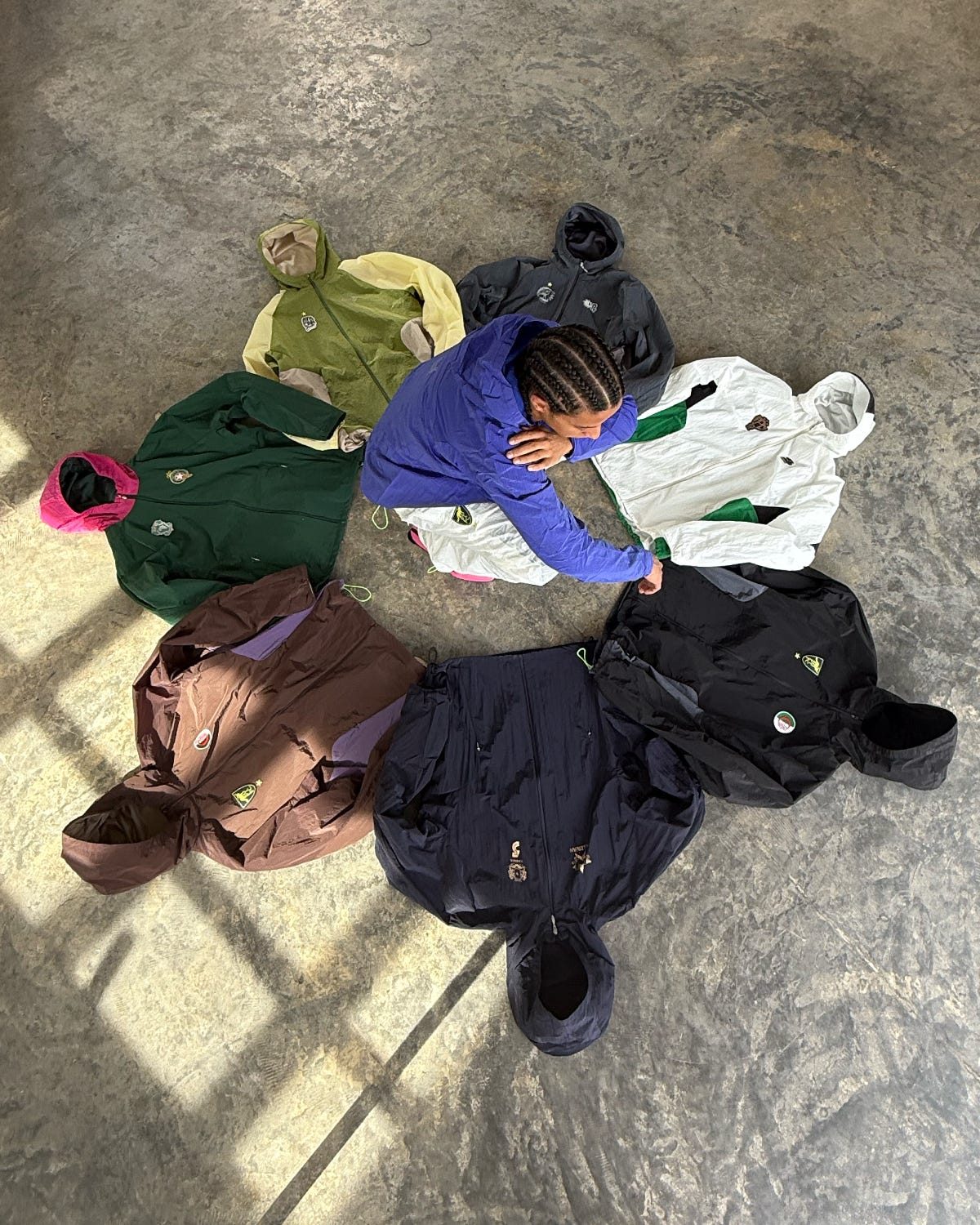
Garms Race: On the topic of global reach, one of your recent releases was the AFCON collaborations. Tell us about how those collabs came together.
Wathek: This was a really fun project. It took a long time to execute and a lot of planning, but I’m happy with how everything went. I worked with friends who are designers, artists, and brands from Africa and designed a tracksuit with each of them. Each tracksuit had meaning to each of the designers, they represented where they’re from.
Somalia was designed with Huzane. Our inspiration was the Somali passport.
Sudan was with SN3. Our inspiration there was this concept of an African youth camp.
Morocco was with Andy Wahloo and Hassan Hajjaj. The inspiration behind that was his vibrant take on Morocco.
Nigeria was with Voodoo Club by Wekafore.
South Africa was with PPC. Our inspiration was the 2002 Bafana Bafana team.
Algeria was Precious Trust.
Garms Race: Your personal style feels effortless, which is rare in an era where algorithms dictate so much of what we consume. How did you cultivate that confidence in your own taste?
Wathek: I don’t know if this is the reason, but I don’t like looking at an idea for too long because I’ll start to hate it and adjust it. Then later I will go back and realize the initial idea one was the one. So, I try to not overthink ideas.
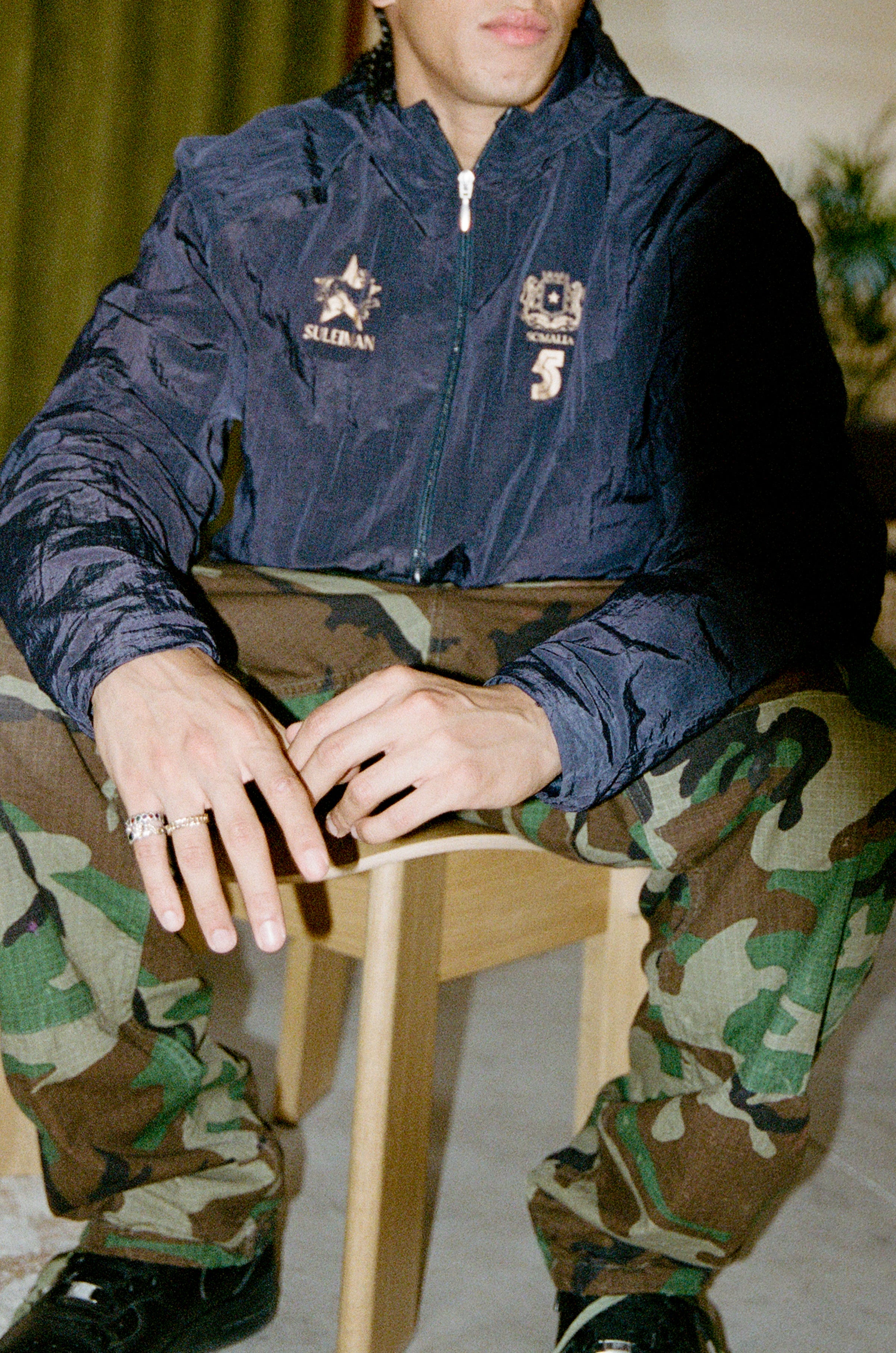
Garms Race: Do you view your own closet as the testing ground for the brand? How often are you designing a piece because it’s the one thing missing from your own personal rotation?
Wathek: Maybe actually, I never thought about that. I also definitely get inspired by others and from previous pieces from the past. I think people nowadays are so scared to say that, but I think inspiration is a great thing.
Garms Race: What is next for Precious Trust? Where do you see the brand and the world you’re building headed in the next few years?
Wathek: Hopefully more interactions with new people and more in person experiences introductions, workshops, collections, and maybe venturing into things outside of clothing and moving around the world with it. I would love to go back to Algeria and do more there, too.